Description
Behind the presidency lies a long history of controversy, unanswered questions, political conflict and conspiracy theories.
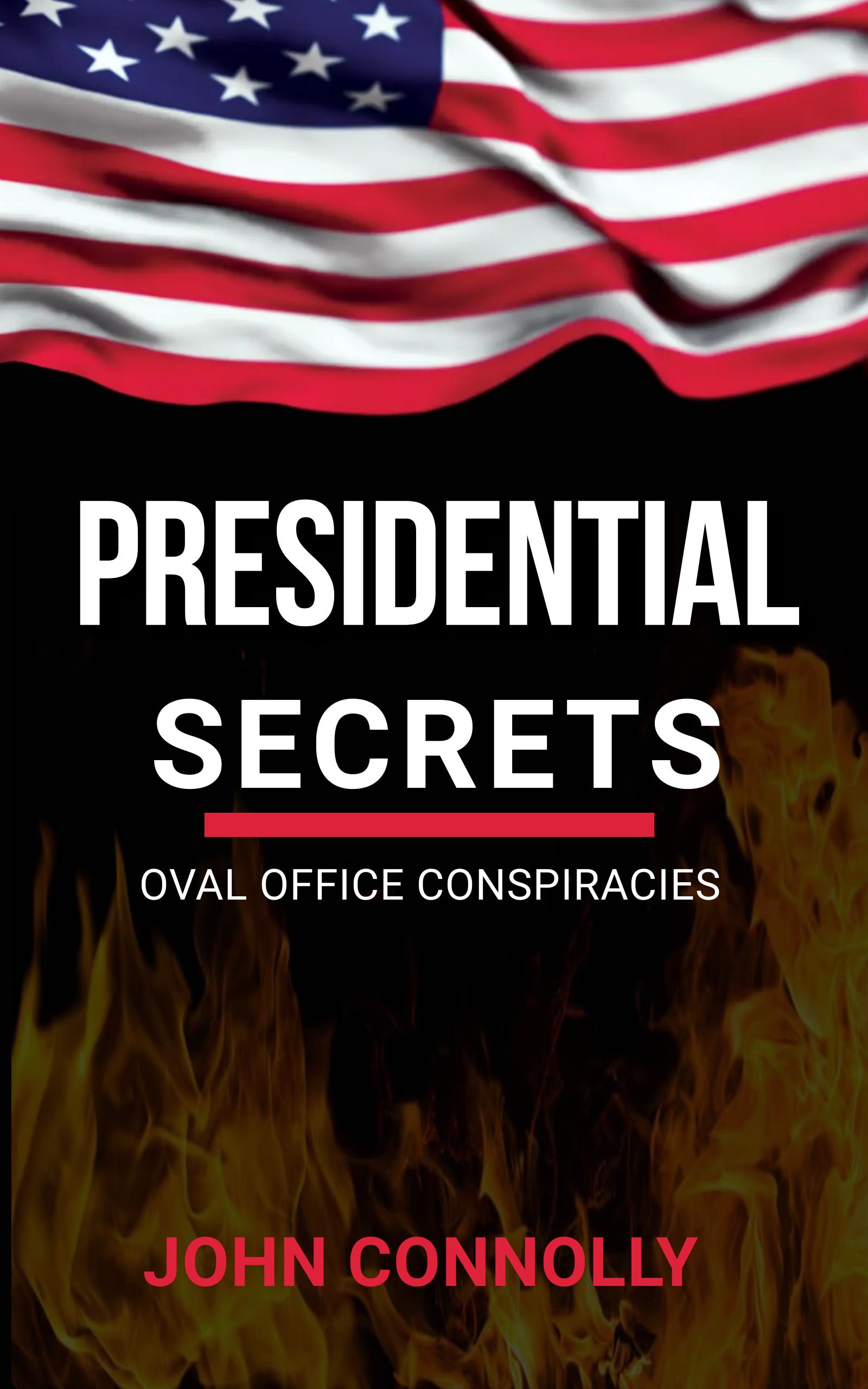
Presidential Secrets: Oval Office Conspiracies examines four highly debated episodes connected to the American presidency and explores how documented events, political narratives and speculation have collided in the public imagination.
The book begins with the controversy surrounding Barack Obama’s birth certificate, examining the rise of birther claims, their amplification through media and politics, and the evidence used to reject them.
It then revisits the assassination of Abraham Lincoln, exploring John Wilkes Booth, his known associates, the investigation that followed and the alternative theories that have continued to surround one of the defining events in American history.
The discussion moves into the Trump era and allegations of a so-called “deep state,” examining institutional conflict, investigations, leaks, impeachment, intelligence agencies and competing interpretations of whether resistance to the administration represented ordinary constitutional and bureaucratic processes or something more coordinated.
Finally, the book examines claims surrounding the George W. Bush administration and alleged foreknowledge of the September 11 attacks, including pre-attack intelligence warnings, government responses, subsequent investigations and the conspiracy theories that emerged from them.
Throughout the book, John D. Connolly explores how political division, incomplete information, institutional distrust and misinformation can transform controversial events into enduring conspiracy narratives.
For readers interested in presidential history, political mysteries and the psychology of conspiracy theories, Presidential Secrets offers an accessible exploration of some of the most debated episodes surrounding the Oval Office.
The manuscript itself repeatedly frames the disputed claims as theories rather than settled conclusions. For example, the 9/11 chapter explicitly says its purpose is not to validate a conspiracy theory and calls for critical analysis of the available information. The Trump chapter likewise acknowledges that attributing individual officials’ conduct to a coordinated “deep state” lacks established proof and presents competing interpretations.