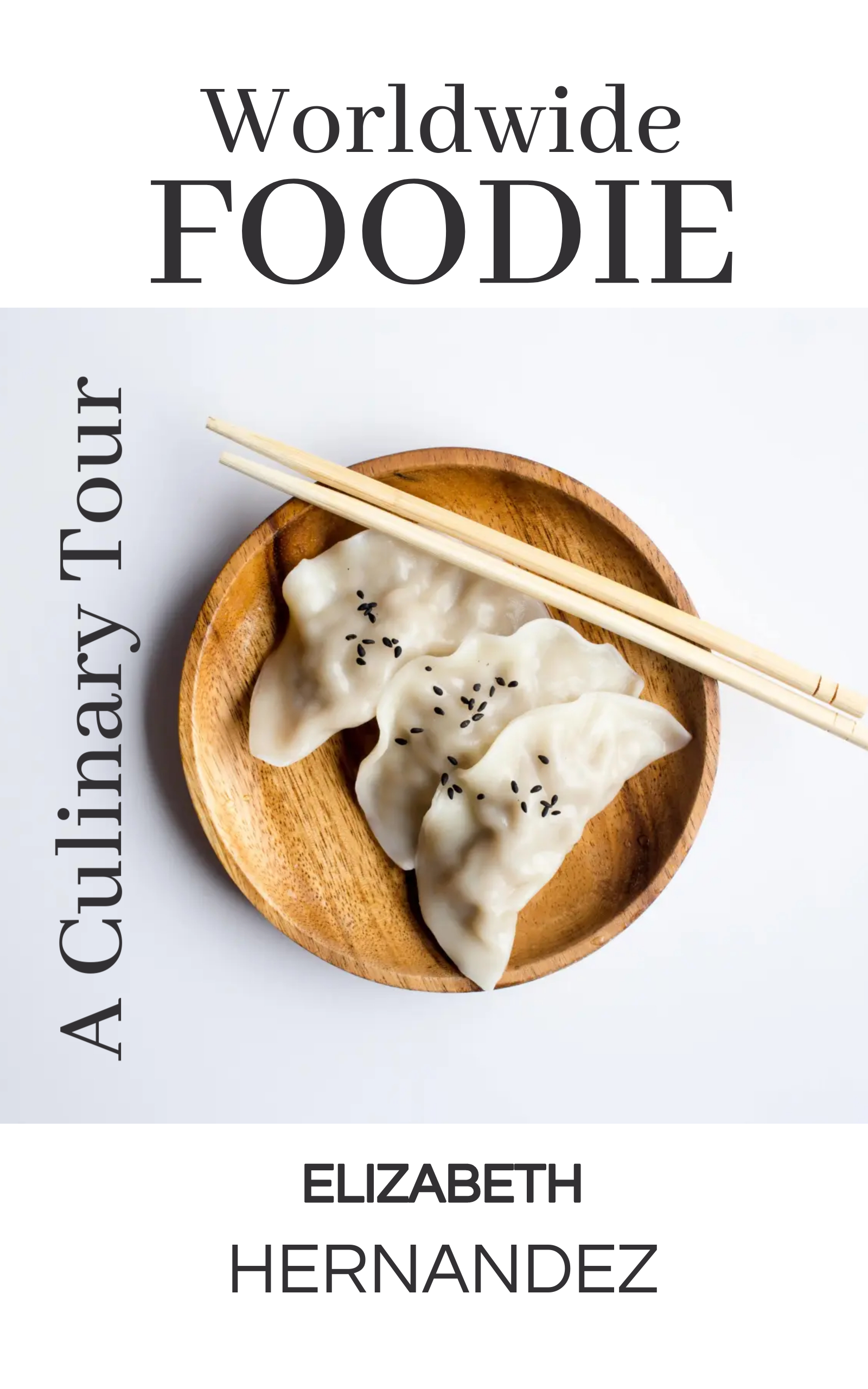
Worldwide Foodie: A Culinary Tour
ELIZABETH HERNANDEZ
1 Pizza Margherita
Ingredients:
For the dough:
2 ¼ teaspoons (7g) active dry yeast
1 ½ cups (355ml) warm water
3 ½ cups (440g) all-purpose flour
2 tablespoons olive oil
1 teaspoon salt
1 teaspoon sugar
For the toppings:
1 can (400g) of crushed tomatoes or passata
2-3 cloves of garlic, minced (optional)
1-2 tablespoons olive oil
Fresh mozzarella cheese, sliced or torn into pieces
Fresh basil leaves
Salt and pepper to taste
Instructions:
Prepare the dough:
In a small bowl, dissolve the yeast and sugar in warm water. Let it sit for about 5-10 minutes until it becomes frothy.
In a large mixing bowl, combine the flour and salt. Make a well in the center and pour the yeast mixture and olive oil. Mix until it forms a dough.
Knead the dough on a floured surface for about 5-7 minutes until it becomes smooth and elastic.
Place the dough in a greased bowl, cover it with a clean kitchen towel or plastic wrap, and let it rise warmly for about 1-1.5 hours until it doubles.
Prepare the sauce:
In a saucepan, heat the olive oil over medium heat. Add minced garlic and sauté for a minute (if using).
Pour the crushed tomatoes/passata and simmer for 10-15 minutes until the sauce thickens. Season with salt and pepper to taste. Set aside.
Preheat your oven:
Preheat your oven to the highest temperature it can go (usually around 500°F/260°C) and place a pizza stone or baking sheet inside to heat up.
Assemble the pizza:
Once the dough has risen, punch it down and divide it into two equal portions for two pizzas.
Roll out one portion of the dough into a circle or your desired shape on a floured surface.
Transfer the rolled-out dough to a piece of parchment paper or a lightly floured pizza peel.
Spread a generous amount of the tomato sauce over the dough, leaving a small border for the crust.
Place slices or torn pieces of fresh mozzarella evenly over the sauce.
Tear fresh basil leaves and scatter them over the cheese.
Bake the pizza:
Carefully slide the assembled pizza (on the parchment paper or pizza peel) onto the preheated pizza stone or baking sheet in the oven.
Bake for 10-12 minutes until the crust is golden brown and the cheese is bubbly and slightly browned.
Serve:
Remove the pizza from the oven and let it cool for a minute. Drizzle some olive oil over the top if desired. Slice and serve hot.
Enjoy your homemade Pizza Margherita!
The Timeless Tale of Pizza Margherita: A Culinary Icon from Italy
In the realm of beloved culinary creations, few dishes can claim the global adoration and cultural significance that Pizza Margherita enjoys. This classic Italian pizza, adorned with the vibrant colors of red tomatoes, white mozzarella, and green basil, carries within its simple yet flavorful composition a rich history that mirrors the essence of Italy itself.
Origins and Legend:
The story of Pizza Margherita traces back to the sun-soaked streets of Naples in the late 19th century. While flatbreads with various toppings had long been savored in Italy, pizza as we know it emerged during this time. Legend has it that the creation of the Margherita pizza was a tribute to Queen Margherita of Savoy during her visit to Naples in 1889.
As the tale goes, the queen, eager to taste the local fare, requested a selection of pizzas be brought to her. Chef Raffaele Esposito of Pizzeria Brandi seized this opportunity to showcase his culinary prowess. He crafted three pizzas, one of which featured tomato sauce, mozzarella, and basil – a combination symbolizing the colors of the Italian flag: red, white, and green. Queen Margherita was reportedly enamored by this flavorful yet elegantly simple dish, thus bestowing upon it the honor of her name.
Evolution and Cultural Impact:
Following its royal endorsement, Pizza Margherita gained popularity rapidly, becoming a staple in Naples and soon spreading across Italy. Its affordability and deliciousness made it a favorite among locals and travelers alike. However, it wasn't until after World War II that pizza, including the Margherita, transcended Italian borders and found its way into the hearts and stomachs of people worldwide.
The migration of Italians to different corners of the globe, particularly in the United States, led to the proliferation of pizzerias serving up variations of this iconic dish. Over time, Pizza Margherita became a canvas for culinary experimentation, with toppings ranging from pepperoni to pineapple gracing its traditional base.
The Essence of Simplicity:
Pizza Margherita's commitment to simplicity and quality ingredients makes it an enduring classic. Traditionally made with flour, yeast, water, salt, and olive oil, the dough is the perfect foundation. The tomato sauce, often using San Marzano tomatoes, provides a tangy and sweet flavor. Fresh mozzarella melts into a creamy texture, while the aromatic basil leaves add freshness.
Modern Reverence and Cultural Heritage:
In 2017, UNESCO recognized the art of Neapolitan pizza-making as an Intangible Cultural Heritage of Humanity. This acknowledgment not only celebrated the craftsmanship involved in creating this iconic dish but also highlighted its cultural significance and the sense of community surrounding it.
Today, Pizza Margherita remains a symbol of Italian culinary prowess and a testament to the power of simplicity in gastronomy. Whether enjoyed in a bustling pizzeria in Naples or crafted lovingly in kitchens worldwide, this pizza continues to transcend boundaries, inviting all to savor a slice of Italy's rich culinary heritage.
In essence, Pizza Margherita isn't just a dish; it's a slice of history, culture, and the everlasting charm of Italy encapsulated in each flavorful bite.
2 Sushi
Ingredients:
For the sushi rice:
2 cups sushi rice
2 cups water (plus extra for rinsing)
1/4 cup rice vinegar
2 tablespoons sugar
1 teaspoon salt
For sushi rolls (Maki-zushi):
Nori sheets (seaweed)
Assorted fillings such as:
Sashimi-grade fish (like tuna or salmon), thinly sliced
Avocado, sliced
Cucumber, julienned
Crab sticks
Cream cheese (optional)
Pickled ginger (gari) for serving
Wasabi for serving
Soy sauce for dipping
Instructions:
Prepare the sushi rice:
Rinse the sushi rice in a fine-mesh strainer under cold water until the water runs clear.
In a saucepan, combine the rinsed rice and water. Bring to a boil, then reduce the heat to low, cover, and simmer for 15-20 minutes until the rice is cooked and the water is absorbed.
Combine the rice vinegar, sugar, and salt in a separate small saucepan. Heat gently until the sugar dissolves. Set aside to cool slightly.
Once the rice is cooked, transfer it to a large bowl. Gradually add the vinegar mixture to the rice, gently folding and mixing it. Allow the rice to cool to room temperature while fanning it occasionally to remove excess moisture.
Prepare the sushi fillings:
Slice your chosen ingredients into thin strips or pieces suitable for rolling.
Rolling sushi:
Place a bamboo sushi mat on a clean surface and cover it with a sheet of plastic wrap. Place a sheet of nori, shiny side down, on the mat.
Moisten your hands with water to prevent sticking, and take a handful of sushi rice. Spread it evenly over the nori, leaving about 1 inch of the nori sheet uncovered at the top.
Arrange your desired fillings in a line along the bottom third of the rice-covered nori sheet.
Using the bamboo mat, start rolling the sushi away from you, applying gentle pressure to shape it into a tight cylinder. Seal the roll by moistening the exposed edge of the nori with water.
Once rolled, use a sharp knife dipped in water to slice the roll into individual pieces.
Serve and enjoy:
Serve the sushi with pickled ginger (gari), wasabi, and soy sauce for dipping.
Sushi-making can take a bit of practice, especially when it comes to rolling, but with time, it becomes easier. Feel free to experiment with different fillings and styles to create your sushi masterpieces at home!
Sushi: A Culinary Tapestry Weaving Tradition and Innovation
Embodied in the delicate balance of vinegared rice, fresh ingredients, and seaweed, sushi is a globally revered emblem of Japanese culinary finesse. Its evolution from humble beginnings to a worldwide gastronomic sensation is a tale of tradition, craftsmanship, and an unwavering commitment to quality.
Ancient Origins:
Sushi's origins can be traced back centuries to Southeast Asia, where people preserved fish by fermenting it with rice and salt. This method, known as narezushi, allowed fish to be stored for months. Over time, this preservation process transitioned into enhancing flavor rather than preserving food.
A crucial transformation occurred in Japan during the Edo period (between the 17th and 19th centuries). Hanaya Yohei, a visionary chef, recognized the potential of serving freshly prepared fish atop seasoned rice. He introduced nigiri-zushi, where hand-pressed rice served as a base for slices of raw fish, revolutionizing sushi from a preservation technique to a culinary delight.
Edo Period and Beyond:
Nigiri-zushi gained popularity in Edo (now Tokyo) due to its quick preparation and delicious taste. Street vendors and small eateries called sushiya became synonymous with serving this delectable treat. Sushi's popularity burgeoned, becoming a staple of Japanese cuisine.
During the 20th century, another sushi innovation emerged: maki-zushi. This style involves rolling rice, fish, and vegetables in nori seaweed, creating cylindrical pieces that are easier to handle and eat. This addition further diversified sushi's forms and flavors.
Post-War Globalization:
Following World War II, sushi transformed a local delicacy into an international phenomenon. Sushi chefs and entrepreneurs like Jiro Ono and Yohei Hanaya Jr. expanded the boundaries of sushi beyond Japan's shores, introducing it to the world.
As Japanese culture gained global recognition, sushi bars began appearing in major cities worldwide, captivating diners with the freshness of raw fish, the artistry of presentation, and the zen-like simplicity inherent in each bite.
Fusion and Innovation:
The globalization of sushi brought forth adaptations and innovations. Chefs worldwide experimented with ingredients, creating sushi rolls incorporating local tastes and preferences. The California roll, for instance, replaced raw fish with avocado, cucumber, and cooked crab, catering to a broader audience.
Contemporary sushi encompasses an array of styles, from traditional nigiri and maki-zushi to artistic creations like sashimi towers and tempura rolls. Furthermore, technological advancements in food preservation and transportation ensure that sushi enthusiasts worldwide can relish fresh, high-quality ingredients.
Cultural Significance:
Beyond its culinary allure, sushi embodies cultural values such as precision, mindfulness, and respect for ingredients. The rituals associated with sushi preparation, including the meticulous selection of fish and the artful assembly of each piece, reflect the…
More…
Keep reading Worldwide Foodie
You've reached the end of the free preview. Purchase this eBook for permanent access in your Novel Thunder Library, or read it with an eligible Novel Thunder subscription.
Buy eBook — $5.99